
An Electric Car for Vacation: Real-World Experiences with Charging Infrastructure in CEE
Taking a vacation in an electric car is no longer just an experiment for tech enthusiasts. Modern electric cars offer sufficient range, high-quality charging technologies, and an increasingly dense network of charging stations. Nevertheless, the topic of EV travel remains one of the most frequently asked questions among drivers planning a trip through Central and Eastern Europe (CEE).
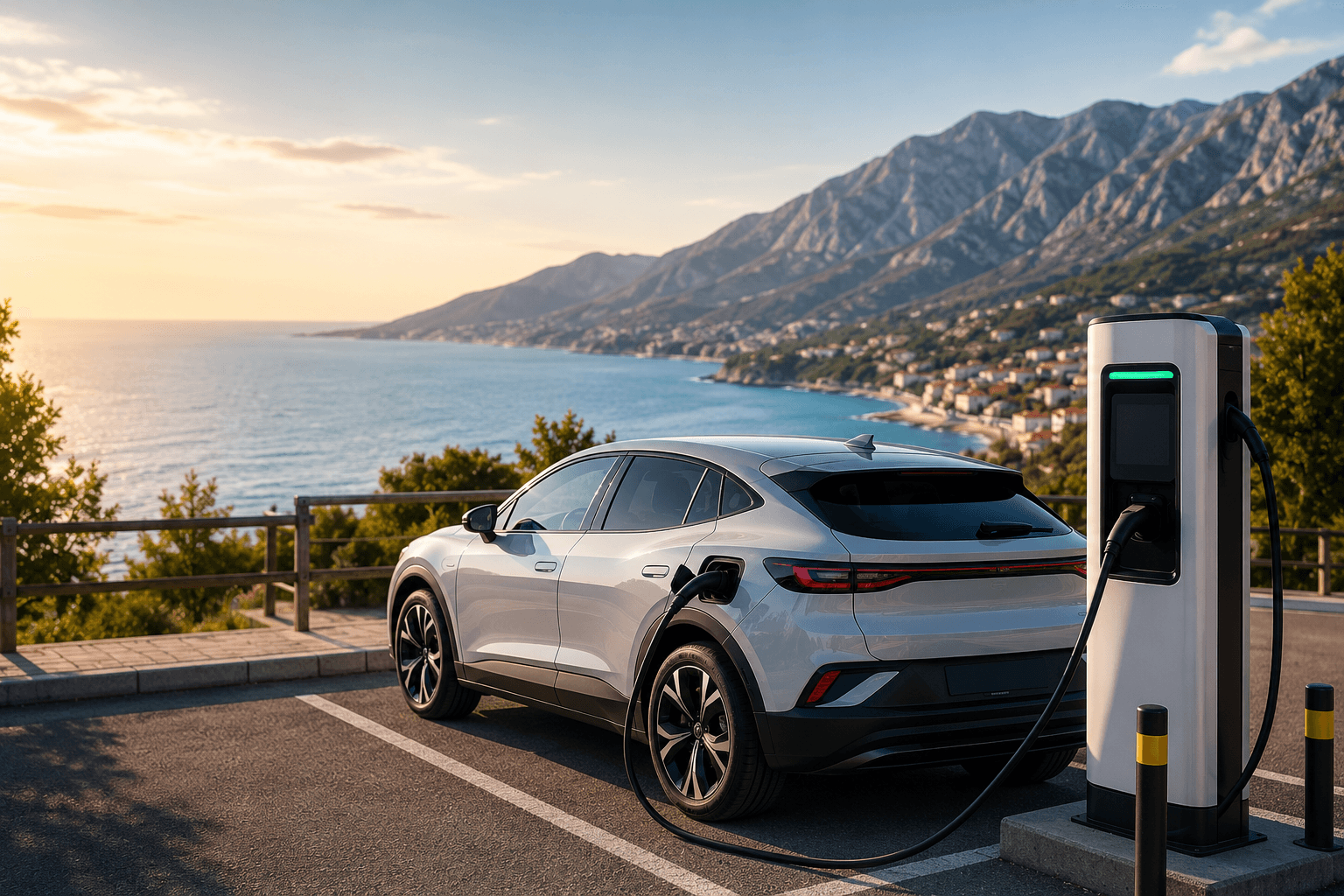
If you’re wondering whether a trip by electric car to Croatia, Slovenia, Austria, Hungary, or Poland is hassle-free, the answer is yes—provided you plan your route wisely. Today’s charging infrastructure has advanced significantly, and many highway corridors offer ultra-fast charging comparable to that in Western Europe. At the same time, there is a growing emphasis on green mobility, which is becoming an increasingly important part of both corporate and private mobility.
In this article, we’ll look at real-world experiences traveling by electric vehicle throughout the CEE region, offer advice on where to charge, what to watch out for, and how to plan your route to ensure a stress-free vacation.
EV travel in the CEE region is no longer a compromise
A few years ago, traveling by electric vehicle across multiple countries was fraught with uncertainty. Today, the situation has changed significantly.
Car manufacturers are gradually increasing battery capacity, and new models can easily cover 400 to 600 kilometers on a single charge. The number of high-power DC charging stations is also growing, capable of replenishing enough energy for hundreds of additional kilometers during a short break.
The greatest progress is particularly evident along major transit routes.
Where is the situation best?
Today, the most comfortable travel is primarily through:
- Austria
- Slovenia
- Croatia
- the Czech Republic
- Poland
These countries have invested in modernizing their highway corridors, and their fast-charging coverage ranks among the best in the region.
Charging Infrastructure in CEE: Where It’s Easiest to Charge
One of the biggest changes in recent years has been the development of the public charging network.
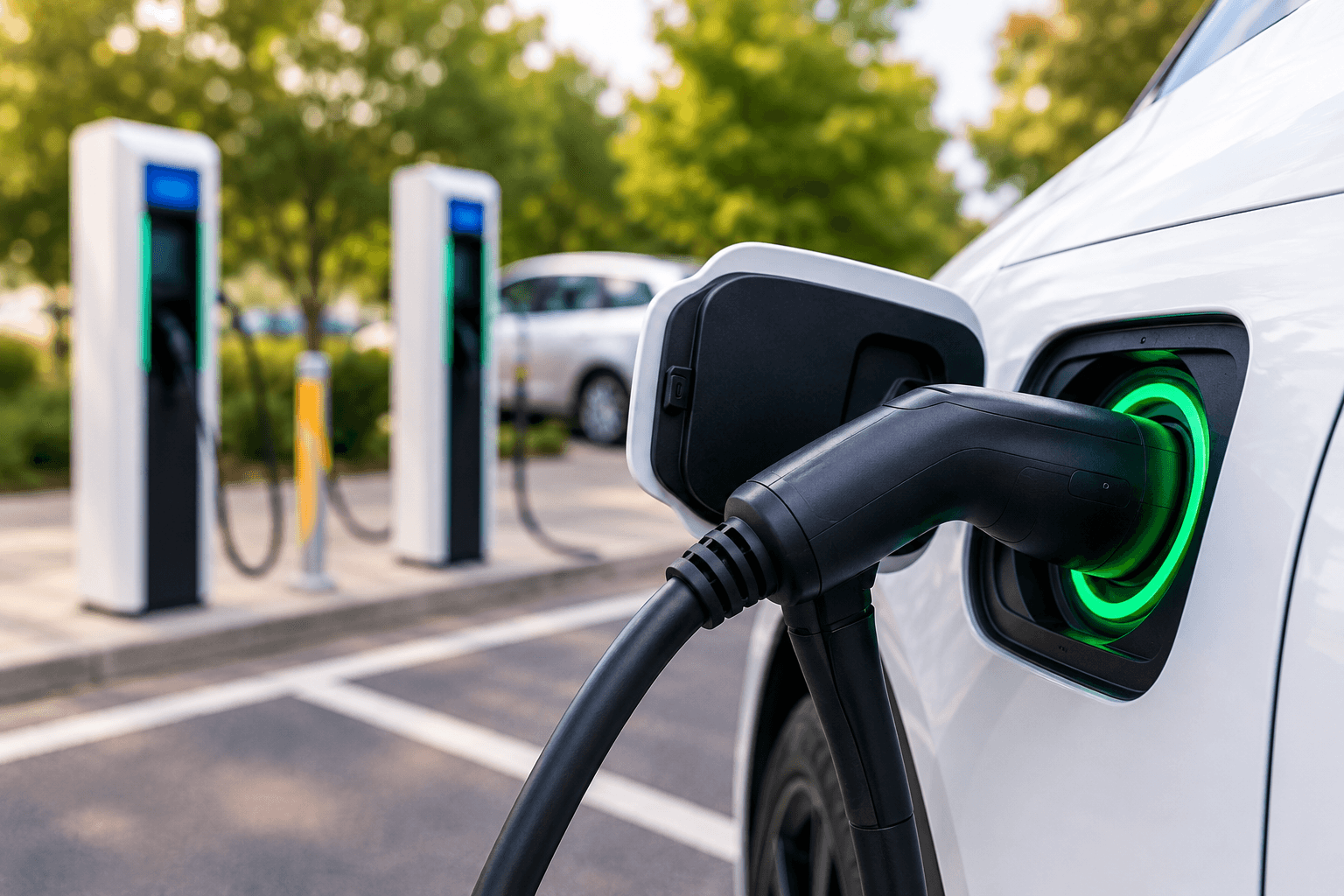
Today, drivers can find the following along major highways:
- ultra-fast HPC chargers (150–350 kW),
- standard DC stations,
- AC charging at hotels,
- charging points at shopping centers,
- charging stations at tourist attractions.
A major advantage is that many operators support roaming, so drivers don’t need a separate card for each country.
Where might complications arise?
Most often, the problem isn’t a lack of chargers, but rather:
- occupied stations during the vacation season,
- differing prices among carriers,
- the need to register in a mobile app,
- weaker coverage away from major routes.
That’s exactly why it pays to plan your stops in advance.
How to Plan Stress-Free EV Travel
The biggest mistake is relying on finding a charging station while you’re on the road.
It’s wiser to plan your route before you leave.
A Practical Checklist
Before you go, check:
- the availability of charging stations along the entire route,
- the power output of individual chargers,
- connector compatibility,
- current charging prices,
- payment options,
- alternative charging points.
Ideally, plan your charging during lunch breaks or rest stops. This makes effective use of your time and avoids unnecessary downtime.
Green mobility is also transforming business travel
Electric vehicles are no longer just an eco-friendly alternative.
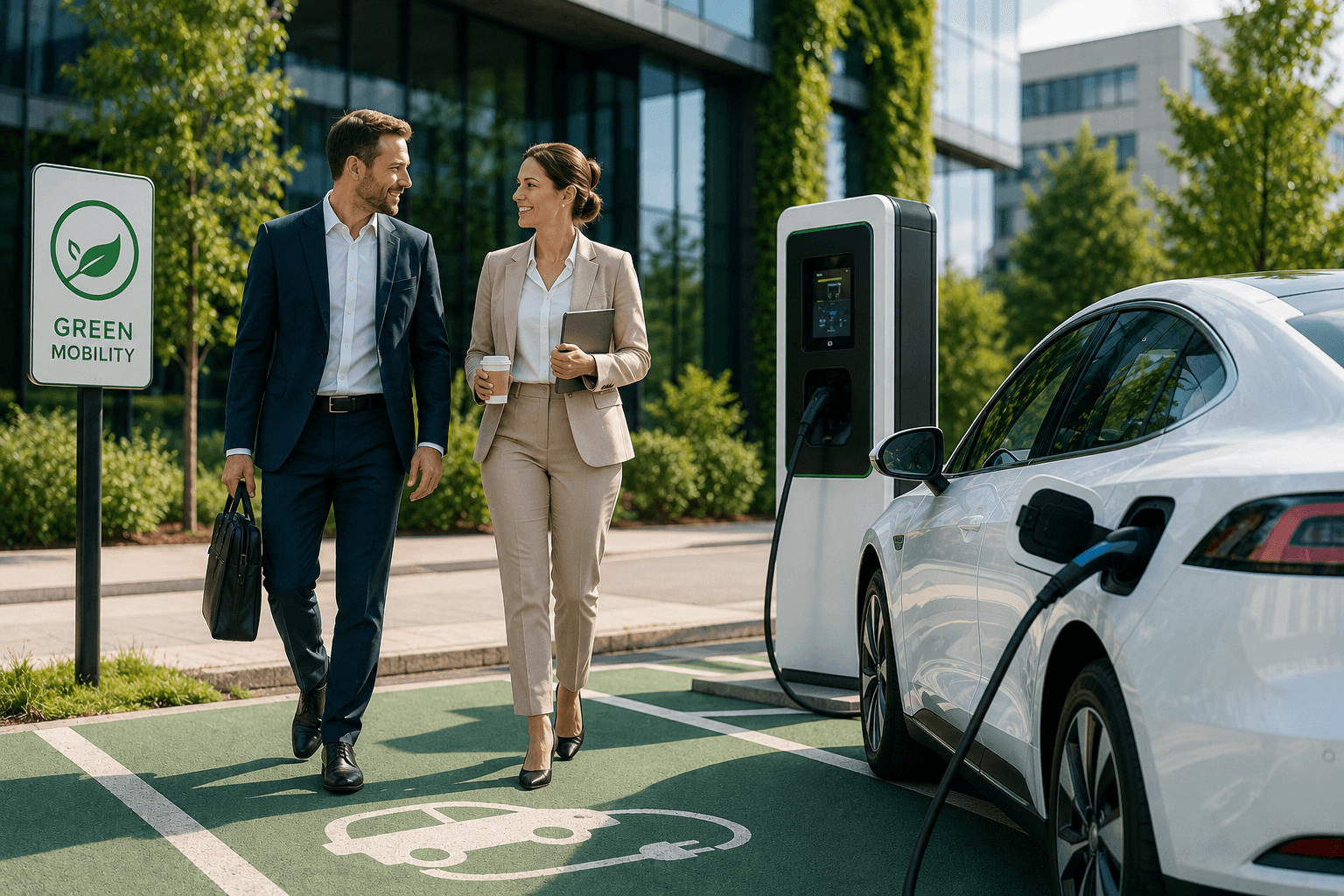
It’s becoming an integral part of modern fleet management.
Companies are increasingly monitoring:
- carbon footprint,
- operating costs,
- ESG reporting,
- employee satisfaction.
Green mobility, in particular, helps organizations meet their internal environmental goals without negatively impacting travel comfort.
Even business trips abroad can now be taken in an electric vehicle without significant limitations.
Drivers’ Real-World Experiences During the Summer Season
The most common concerns before a vacation relate to charging.
However, experience shows that charging itself is often easier than drivers expect.
A simple rule works best:
- don’t let the battery drain to the minimum,
- charge intermittently during breaks,
- use ultra-fast charging stations,
- check current availability in apps.
In practice, most drivers spend about as much time charging as they would anyway on snacks or rest breaks.
What to Keep in Mind When Traveling to Croatia by Electric Car
Croatia is one of the most popular vacation destinations for Slovaks.
The good news is that the main highway corridors offer high-quality charging infrastructure.
During the summer months, however, you should expect:
- heavier traffic,
- a greater number of electric vehicles,
- possible wait times at the busiest locations.
If possible, it’s worth charging outside of peak hours or during the early morning hours.
Another advantage is choosing accommodations with on-site charging, which will significantly simplify your daily travels.
The Future of EV Travel in the CEE Region
The development of electric mobility continues at a very rapid pace.
Every year, new high-power charging hubs are added, highway rest areas are being modernized, and user comfort is improving.
In the coming years, we can expect:
- an even denser network of HPC stations,
- smart route planning directly in the vehicle,
- simpler payments across Europe,
- higher charging power,
- shorter stop times.
For drivers, this means even more comfortable travel and a further boost to the green mobility trend.
Conclusion
Traveling by electric vehicle across Central and Eastern Europe is already a comfortable alternative to conventional vehicles. Modern charging infrastructure, a growing number of ultra-fast chargers, and high-quality planning tools make EV travel a natural choice for both personal and business trips.
The greatest benefits include not only more eco-friendly operation but also greater planning convenience, lower operating costs, and support for sustainable mobility. If you plan your route in advance and take advantage of available charging stations, a vacation in an electric vehicle can be just as comfortable as a trip in a vehicle with an internal combustion engine.
FAQ
Is it possible to take a vacation in an electric car without any complications?
Yes. With sensible route planning and by using major highway corridors, traveling by electric car throughout Central and Eastern Europe is hassle-free.
How often do you need to charge during the trip?
It depends on the vehicle’s range and driving style. Most modern electric cars can travel 400 to 600 kilometers on a single charge.
Is the charging infrastructure in Croatia sufficient?
Yes. The availability of charging stations is very good, especially on major routes and in tourist areas.
Is an electric car a good choice for business trips?
Yes. Companies benefit from lower operating costs, support green mobility, and meet their ESG goals.
What apps help with EV travel?
Drivers most often use navigation apps and apps that show the availability of charging stations, their power output, and current occupancy.
TL;DR
- EV travel is now a convenient option in CEE countries, even for long-distance trips.
- Charging infrastructure has expanded significantly, particularly along highway corridors.
- Planning your charging stops before departure yields the best results.
- Green mobility is becoming a natural part of corporate fleets.
- Taking a vacation in an electric car no longer means making significant compromises.
- Modern electric vehicles offer sufficient range even for international travel.